Does fibre help with weight loss?
High-fibre foods can help you feel fuller for longer, according to Healthdirect's guide to high-fibre foods. Many are also lower in energy density, meaning they provide fewer kilojoules per gram. Including them in a balanced eating pattern may help support weight management.
Fibre works in two main ways:
Many high-fibre foods are less energy-dense. You can eat a similar amount of food for fewer kilojoules.
Soluble fibre forms a gel that slows how fast your stomach empties. This helps you stay full for longer.
Both points come from the Better Health Channel's guide to dietary fibre. Fibre works best as part of a balanced eating pattern, and nutrition support can help with that.
What else does fibre do for your health?
Fibre does more than help you feel full. The Better Health Channel links a high-fibre diet with several other health benefits:
Cholesterol: soluble fibre can lower total and LDL ("bad") cholesterol.
Blood sugar: fibre slows how quickly glucose is absorbed into your blood.
Heart health: more fibre and wholegrains are likely to lower the risk of heart and blood vessel disease.
Bowel health: insoluble fibre adds bulk to stools and helps prevent constipation.
A mix of wholegrains, legumes, fruit and vegetables gives you both types of fibre. If you have a health condition, ask your doctor how fibre fits your needs.
How much fibre do you need each day?
Adult women need about 25 g of fibre a day, and adult men need about 30 g. These are the Adequate Intakes in Australia's Nutrient Reference Values for dietary fibre.
Most Australians eat about 20 to 25 g a day, so many people fall a little short. These targets are for general health, and they are not a weight loss target.
If you have a bowel condition or another health condition, check with your doctor first if you plan big changes. Mention it as part of your health history, too.
What are the best high fibre foods for weight loss?
Wholegrains, legumes, vegetables, fruit, nuts and seeds are the main sources. Eating a mix gives you both kinds of fibre.
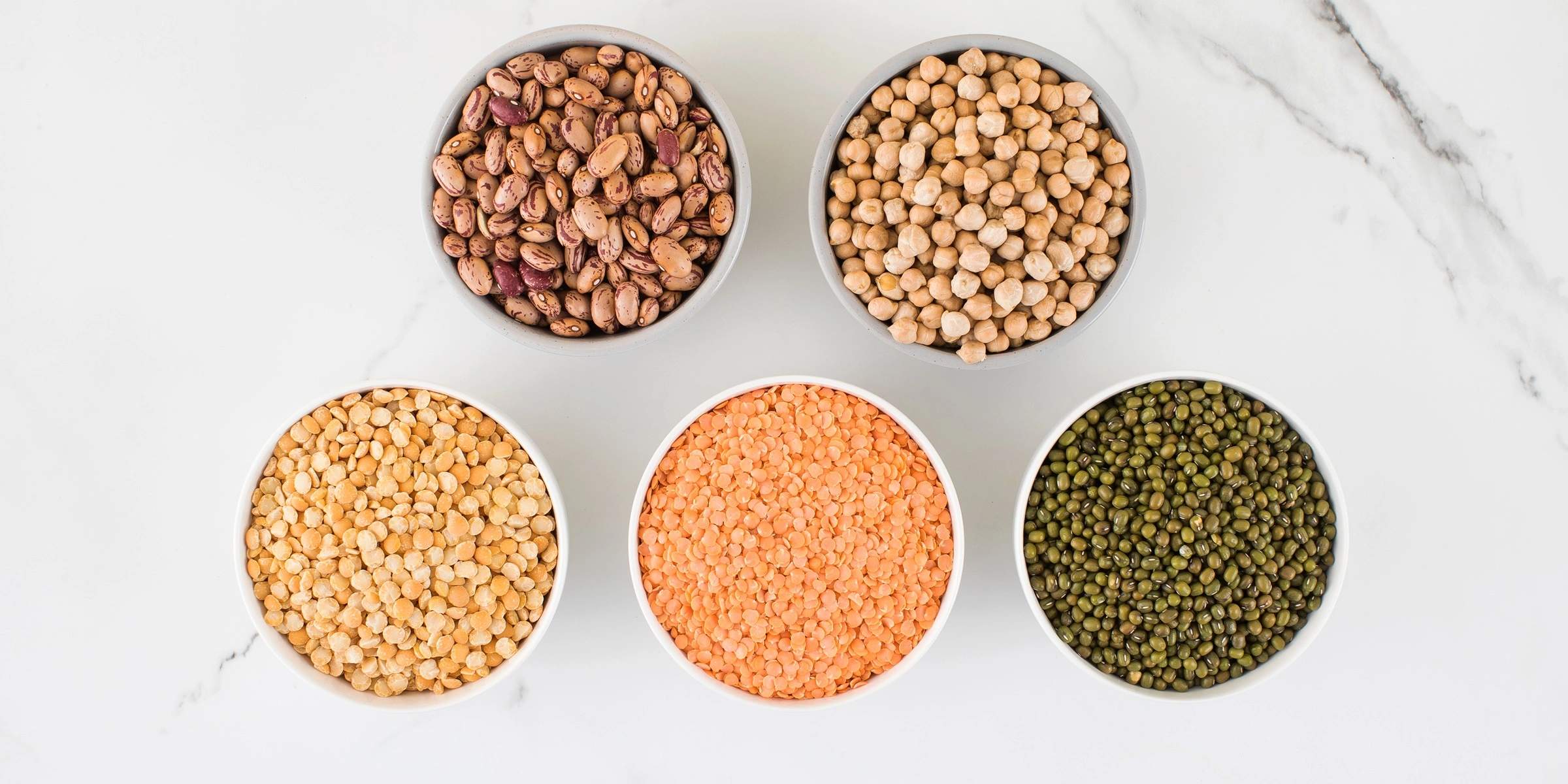
Soluble fibre: oats, barley, legumes such as beans, lentils and chickpeas, and fruit and vegetables.
Insoluble fibre: wholegrain breads and cereals, the skins of fruit and vegetables, and nuts and seeds.
The Better Health Channel gives these approximate amounts, which show how much a swap can change:
4 slices of wholegrain bread: Approximately 10.7 g of fibre.
4 slices of white bread: Approximately 3.8 g of fibre.
1 cup of cooked brown rice: Approximately 2.9 g of fibre.
1 cup of cooked white rice: Approximately 1.5 g of fibre.
1 apple and 1 pear: Approximately 9.7 g of fibre.
25 almonds: Approximately 3.3 g of fibre.
Fibre amounts are approximate and may vary depending on food variety, brand and serving size.
Fruit and vegetables are an easy place to start. Check the serve sizes for fruit and vegetables.
A note on food and weight: If thinking about food, weight or numbers starts to feel stressful or hard to control, tell your doctor. You can also call the Butterfly Foundation National Helpline on 1800 33 4673 (8am to midnight AEST/AEDT, 7 days, except national public holidays). If you need to talk to someone now, call Lifeline on 13 11 14.
What does a high-fibre day look like?
A high-fibre day includes a wholegrain, legume, vegetable or fruit at most meals. Here is one example, with no special foods needed:
- Breakfast: rolled oats with fruit and a sprinkle of seeds.
- Lunch: a wholegrain sandwich with salad, or leftover soup with beans.
- Snack: an apple or pear, eaten with the skin on.
- Dinner: a vegetable and lentil curry with brown rice, or a stir-fry with plenty of vegetables.
Simple swaps build on meals you already eat:
- White bread to wholegrain or wholemeal bread.
- White rice to brown rice, or a half-and-half mix.
- Peeled potatoes to potatoes cooked with the skin on.
- A handful of beans or lentils stirred into mince, soups or salads.
- Fruit or a small handful of nuts as a snack.
How do you add fibre without discomfort?
Go slowly and drink enough water. A sudden jump from a low-fibre to a high-fibre diet can cause stomach pain and wind.
Make one change at a time, such as adding oats to breakfast.
Let your body adjust before you make the next change.
Start with small amounts of legumes, such as a few spoonfuls in a soup or salad.
Drink water through the day. Fibre absorbs fluid, and a high-fibre diet may not ease constipation without enough water.
For more on drinks, read about water and weight loss. See your doctor about ongoing stomach pain, bloating or a change in your bowel habits.
Food is the best source of fibre. Healthdirect says wholefoods are a better choice than fibre supplements, and supplements sit outside SHIFT care.