Can you eat carbs and still lose weight?
Yes. The Better Health Channel's page on weight loss myths says a potato, a bowl of pasta or any carbohydrate-rich food won't automatically make you fatter. Big serves and rich toppings, such as butter, sour cream or creamy sauces, are the bigger issue. It also notes that high-carbohydrate foods have about half the energy of high-fat foods.
The Australian Dietary Guidelines include grain foods every day, mostly wholegrain or high in cereal fibre. In the Eat for Health guide for adults, 1 serve of grain foods has about 500 kJ (about 120 Cal). One serve is:
1 slice (40 g) of bread
½ a medium bread roll or flatbread (40 g)
½ cup (75 to 120 g) of cooked rice, pasta, noodles, barley or quinoa
The same guide sets these average daily grain serves for adults:
GroupGrain serves a dayWomen 19 to 506Women 51 to 704Women 70 and over3Men 19 to 506Men 51 to 706Men 70 and over4½
These are healthy eating figures for the general population, not weight loss targets. If you are pregnant or breastfeeding, check with your doctor about your needs. To fit serves into an energy deficit, get nutrition and lifestyle support.
Is rice good for weight loss? White or brown?
Both can fit. Brown rice has about twice the fibre of white rice, so many people find it more filling.
The Better Health Channel's dietary fibre guide lists 1 cup of brown rice at 2.9 g of fibre. One cup of cooked white rice has 1.5 g. The guide also says foods high in fibre are often bulky and filling.
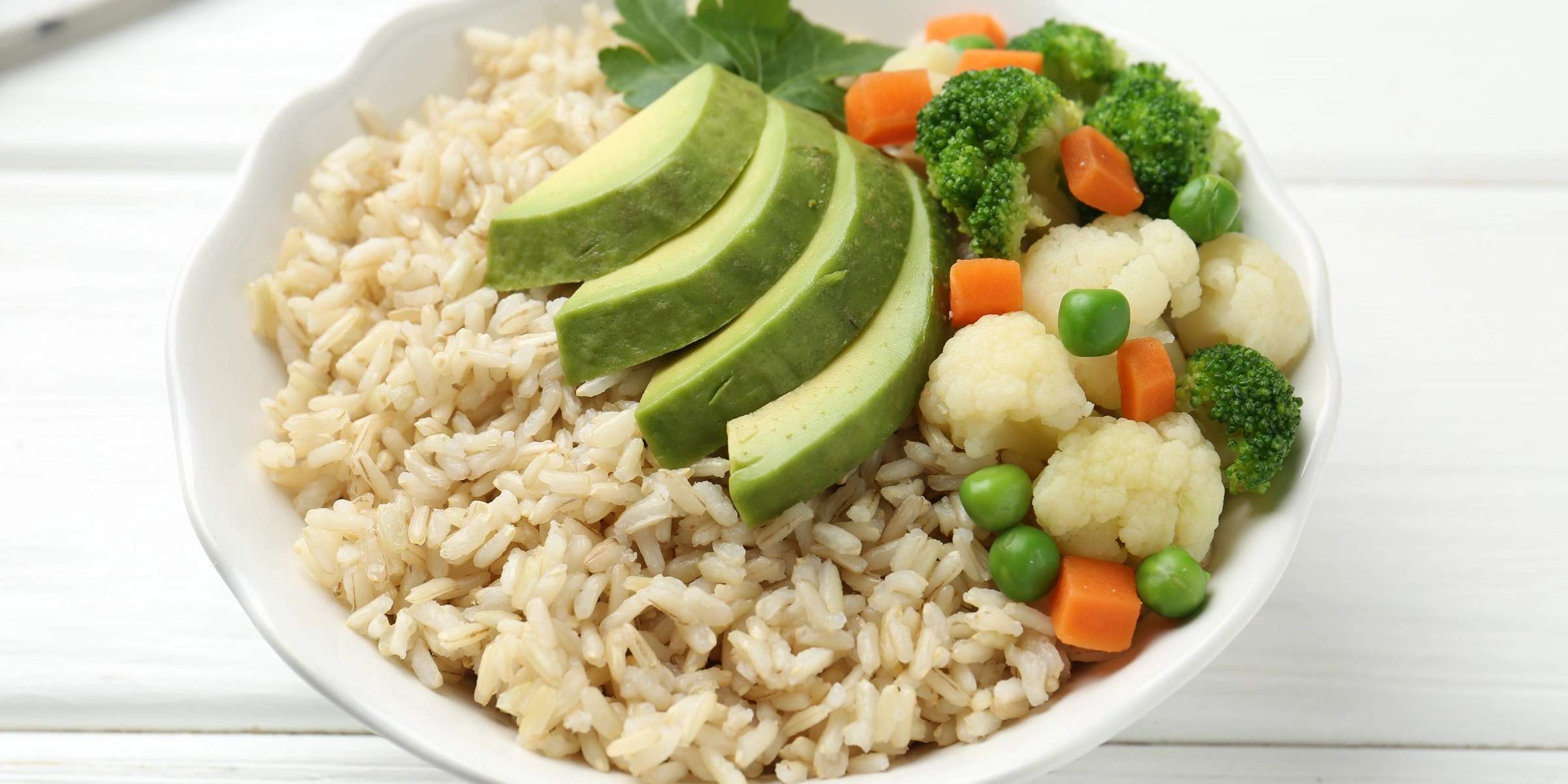
Basmati, jasmine and other white rices are fine in sensible serves. One cup of cooked rice is 2 grain serves, so the size of the bowl counts. Fill the rest of the plate with vegetables and a protein food. Swapping to brown rice is one way to add more fibre to your meals.
Which bread is best for weight loss?
Wholegrain or wholemeal bread is usually the best choice. It has much more fibre than white bread. The same fibre guide lists 10.7 g in 4 slices of wholegrain bread, and 3.8 g in 4 slices of white.
Labels can be confusing. The Heart Foundation's guide to wholegrains suggests two checks:
- Look for wholegrains listed as one of the first ingredients.
- Compare the fibre per 100 g on the nutrition information panel, and pick the higher one.
Sourdough can be made from white or wholegrain flour. Choose a wholegrain or wholemeal sourdough to get the extra fibre. Thick slices may weigh more than 40 g, so one slice can count as more than 1 serve.
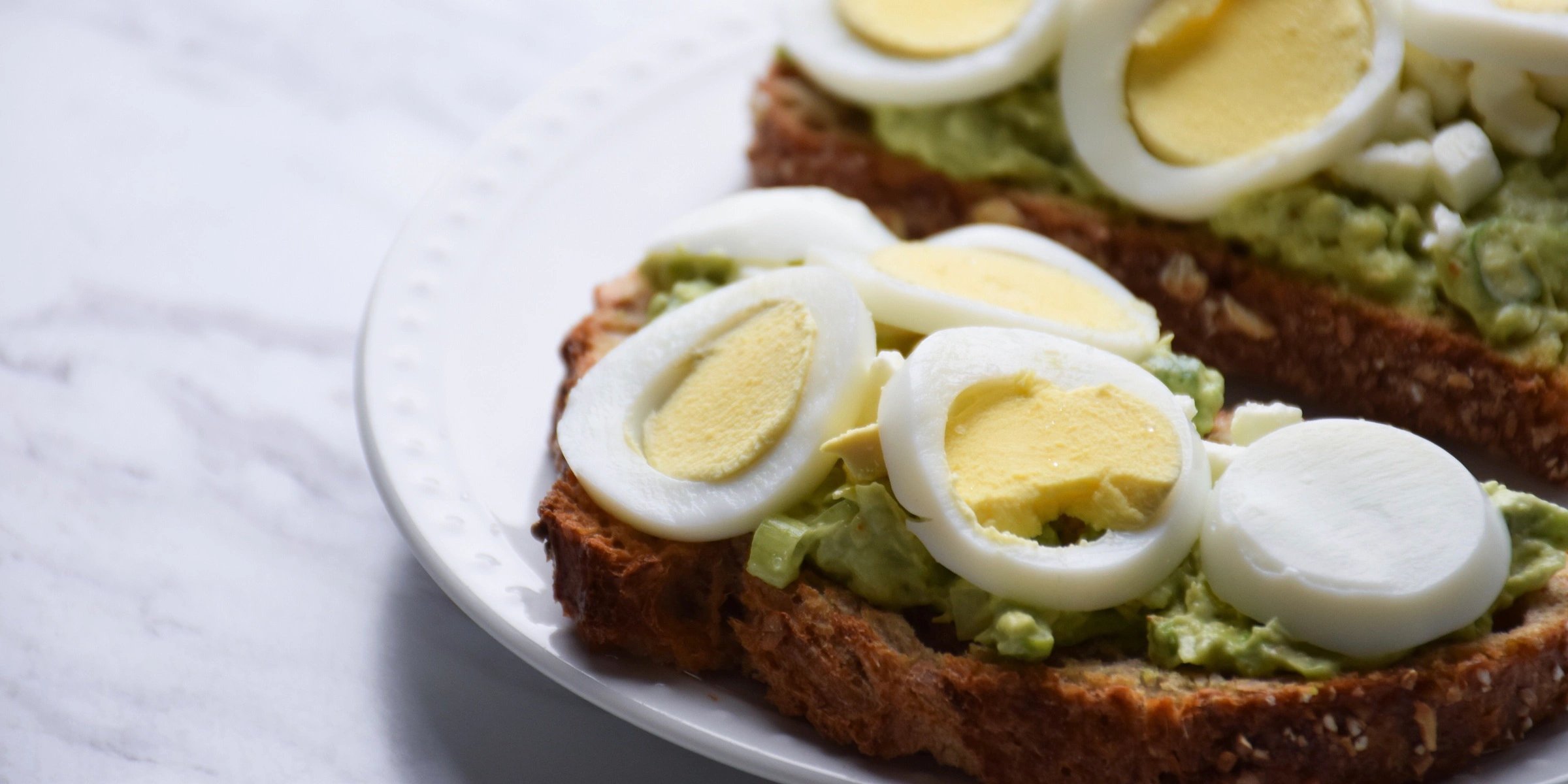
Toppings change the total too. A thin spread, or none at all, under fillings like egg, tomato or salad keeps the kilojoules down. For more ideas, see our healthy breakfast ideas.
Pasta and potatoes: myths and serve sizes
Pasta and potatoes are not off limits. As with rice, the serve and the sauce or topping make the most difference.
Pasta
Pasta uses the same serve as rice. Say your usual bowl holds 2 cups of cooked pasta. That is 4 grain serves, or about 2,000 kJ (about 475 Cal) before any sauce.
- The Heart Foundation suggests trying wholemeal pasta instead of regular pasta.
- Tomato and vegetable sauces are usually lighter than cream or cheese sauces.
- Stir extra vegetables through the pasta to bulk up the bowl.
Potatoes
Potatoes count as a vegetable, not a grain. Eat for Health counts ½ a medium potato as 1 serve of vegetables. Boiled or baked potatoes, or mash made with a little milk, are lighter than chips or potatoes topped with lots of butter or sour cream.
White or brown, rice is good for weight loss in a sensible serve, and the same goes for bread, pasta and potatoes.
For sweet potato and corn, see our answers to common food questions. For more food topics, browse our weight loss guides.
If you have diabetes, check with your doctor or a dietitian about carbohydrate amounts and timing.
A note on food and weight: If thinking about food, weight or numbers starts to feel stressful or hard to control, tell your doctor. You can also call the Butterfly Foundation National Helpline on 1800 33 4673 (8am to midnight AEST/AEDT, 7 days, except national public holidays). If you need to talk to someone now, call Lifeline on 13 11 14.
Does GI matter for rice, bread and pasta?
The glycaemic index (GI) is a ranking of carbohydrate foods and drinks. It reflects how they affect your blood sugar. healthdirect lists wholegrain bread, traditional sourdough, pasta, noodles and doongara rice as lower GI. White rice and jasmine rice are higher GI.
Cooking and cooling can change GI too. healthdirect suggests eating rice or potato that has been cooked and cooled, such as in a salad.
GI is only a guide, though. healthdirect notes that a low GI diet alone may not lead to weight loss. It says to also look at a food's overall nutrition and how you combine foods in a meal.