What makes a dinner or lunch filling?
A good main meal is built on vegetables, with enough protein and whole grains to keep you full. The Baker Heart and Diabetes Institute's portion plate guide suggests this split:
- Half the plate: vegetables, such as greens, carrots, tomato or pumpkin
- A quarter: lean protein, such as fish, chicken, lean meat, eggs, tofu or legumes
- A quarter: lower GI carbohydrates, such as brown rice, wholemeal pasta or grainy bread
Serve sizes from Eat For Health give a sense of scale. Half a cup of cooked vegetables, or 1 cup of salad, is one vegetable serve. Half a cup of cooked rice, pasta or noodles is one grain serve.
Healthy dinner ideas for weight loss
Each of these dinners follows the plate model. Swap the protein or vegetables to suit your taste, budget and culture.
A chicken or tofu stir-fry with lots of mixed vegetables over a small serve of brown rice
Grilled fish with a large salad and a few boiled potatoes
Lentil and vegetable curry with a small serve of rice
Lean beef or lamb with roast vegetables and steamed greens
A bean and vegetable soup, with a slice of wholegrain bread
Wholemeal pasta with a tomato sauce made with vegetables and lean mince
Wholegrain wraps filled with beans, salad and a little cheese
A chickpea and vegetable tray bake with a plain yoghurt dressing
Several of these lean on vegetables, legumes, fish and olive oil. That eating pattern is often called the Mediterranean diet.
Healthy lunch ideas for weight loss
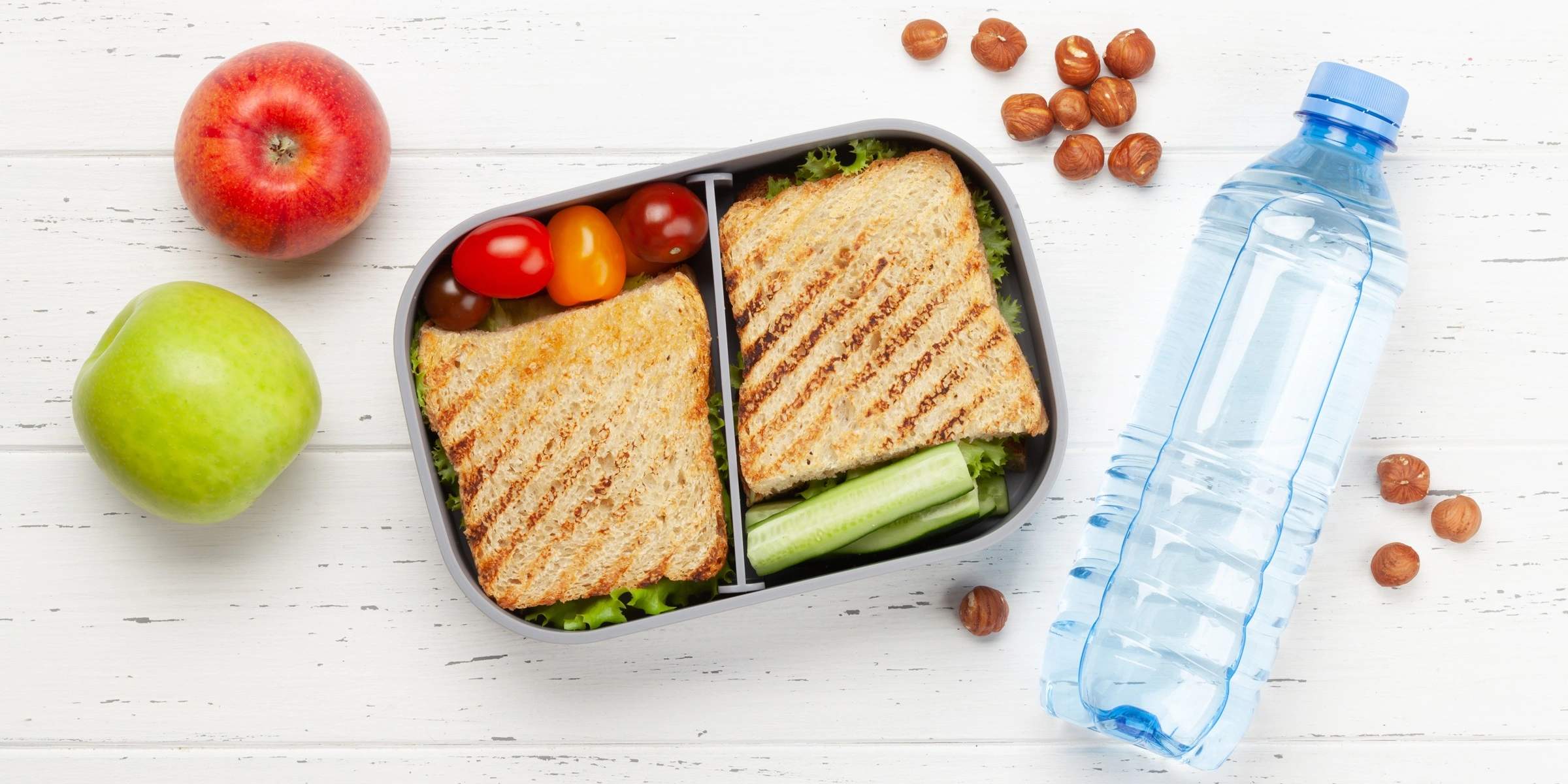
Lunch follows the same plate, in a form that travels. Packing it the night before makes a rushed takeaway less likely.
Leftovers from last night's dinner, packed into a container
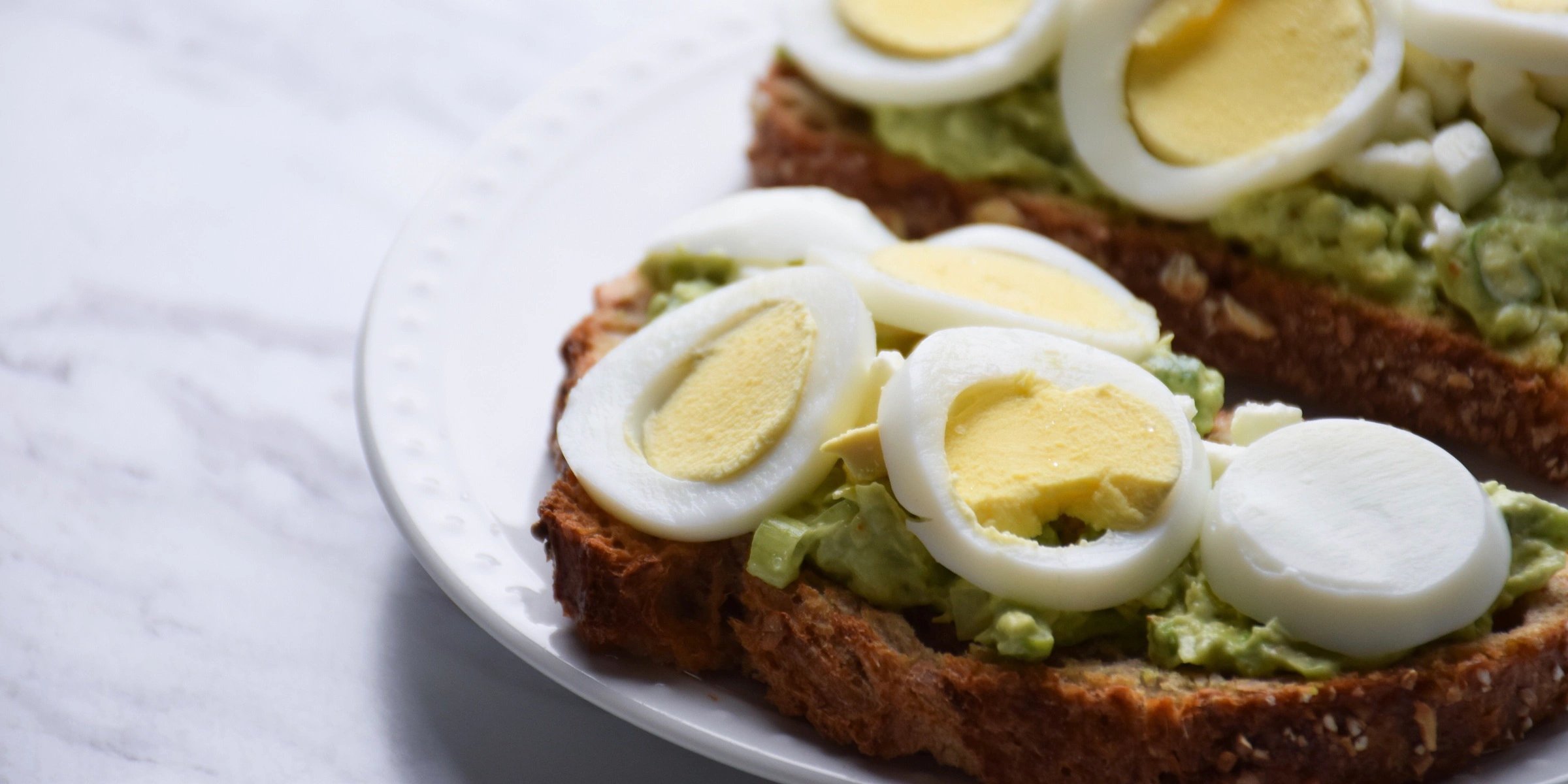
A wholegrain sandwich or wrap with lean meat, egg or tuna and plenty of salad
A bowl of brown rice or quinoa with beans, vegetables and a boiled egg
A tin of tuna or chickpeas mixed through salad leaves and cherry tomatoes
Vegetable and lentil soup in an insulated flask, with a slice of grainy bread
Crispbreads with ricotta, tomato and cucumber, plus a piece of fruit
Keep chilled foods in an insulated bag or the work fridge until lunch. If the afternoon is long, add a planned healthy snack.
Can a salad be a filling meal?
Yes, as long as the salad is filling enough to be a meal. A bowl of leaves on its own may leave you hungry by mid-afternoon.
High-fibre foods are bulky and filling, says the Better Health Channel's guide to dietary fibre. Healthdirect's guide to kilojoules notes that a large salad might have the same kilojoules as a small block of chocolate. But the salad is more nutritious and keeps you full for longer.
To build a salad that lasts until dinner, include something from each group:
- Protein: chicken, tuna, salmon, eggs, tofu or lean beef
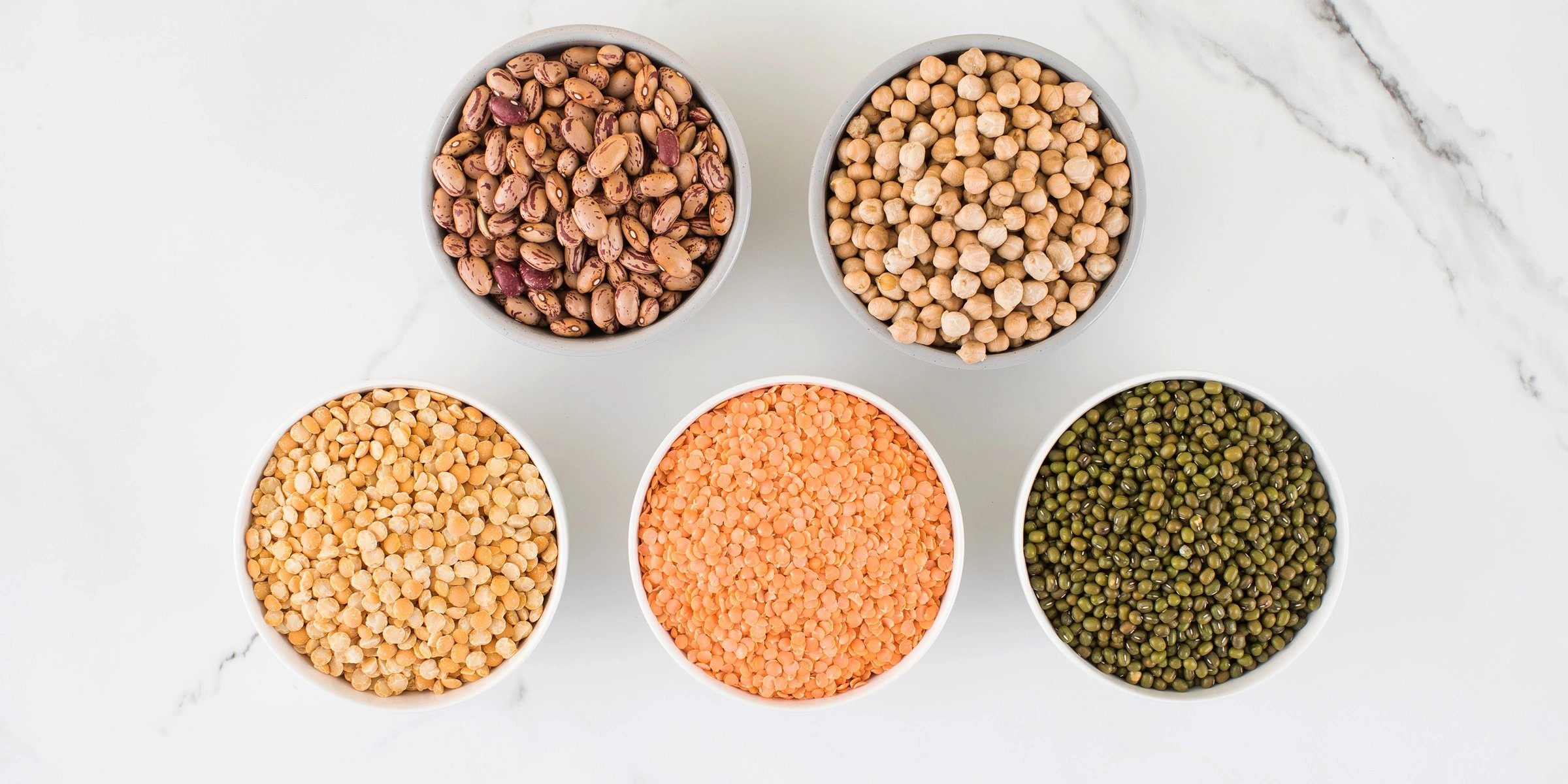
- Legumes: chickpeas, lentils or kidney beans
- Whole grains: brown rice, quinoa, barley or wholemeal pasta
- Colour and crunch: leafy greens, tomato, cucumber, capsicum, carrot or beetroot
Watch the dressing and toppings. Creamy dressings, fried croutons, bacon and handfuls of cheese add kilojoules quickly. Try lemon juice, vinegar or a small drizzle of olive oil instead. Read more about fibre and weight loss.
How do you plan meals for a busy week?
Choose a few go-to dinners and build your shopping list around them. Get more help with meal planning through nutrition and lifestyle support.
A note on food and weight: If thinking about food, weight or numbers starts to feel stressful or hard to control, tell your doctor. You can also call the Butterfly Foundation National Helpline on 1800 33 4673 (8am to midnight AEST/AEDT, 7 days, except national public holidays). If you need to talk to someone now, call Lifeline on 13 11 14.
The most useful healthy dinner ideas for weight loss are often meals you already like, adjusted a little. Add more vegetables, choose a lean protein and keep the grain serve sensible. Breakfast, snack and fibre ideas sit in our other weight loss guides.
How can you eat healthy meals on a budget?
Healthy dinners and lunches do not have to cost more. healthdirect suggests a few simple ways to stretch your food budget:
Buy frozen vegetables and fruit. They keep their nutrients and are often cheaper than fresh.
Use canned beans, lentils and tomatoes to bulk up soups, stews and sauces.
Look for 'imperfect' vegetables, which supermarkets often sell for less.
Shop for what is in season and on special.
Buy larger packs when they suit you, as bulk produce is usually cheaper.