What is the Mediterranean diet?
It is a style of eating, not a strict diet with fixed rules. Dietitians Australia's guide to the Mediterranean diet describes a pattern based mostly on plant foods, with healthy fats and fish.
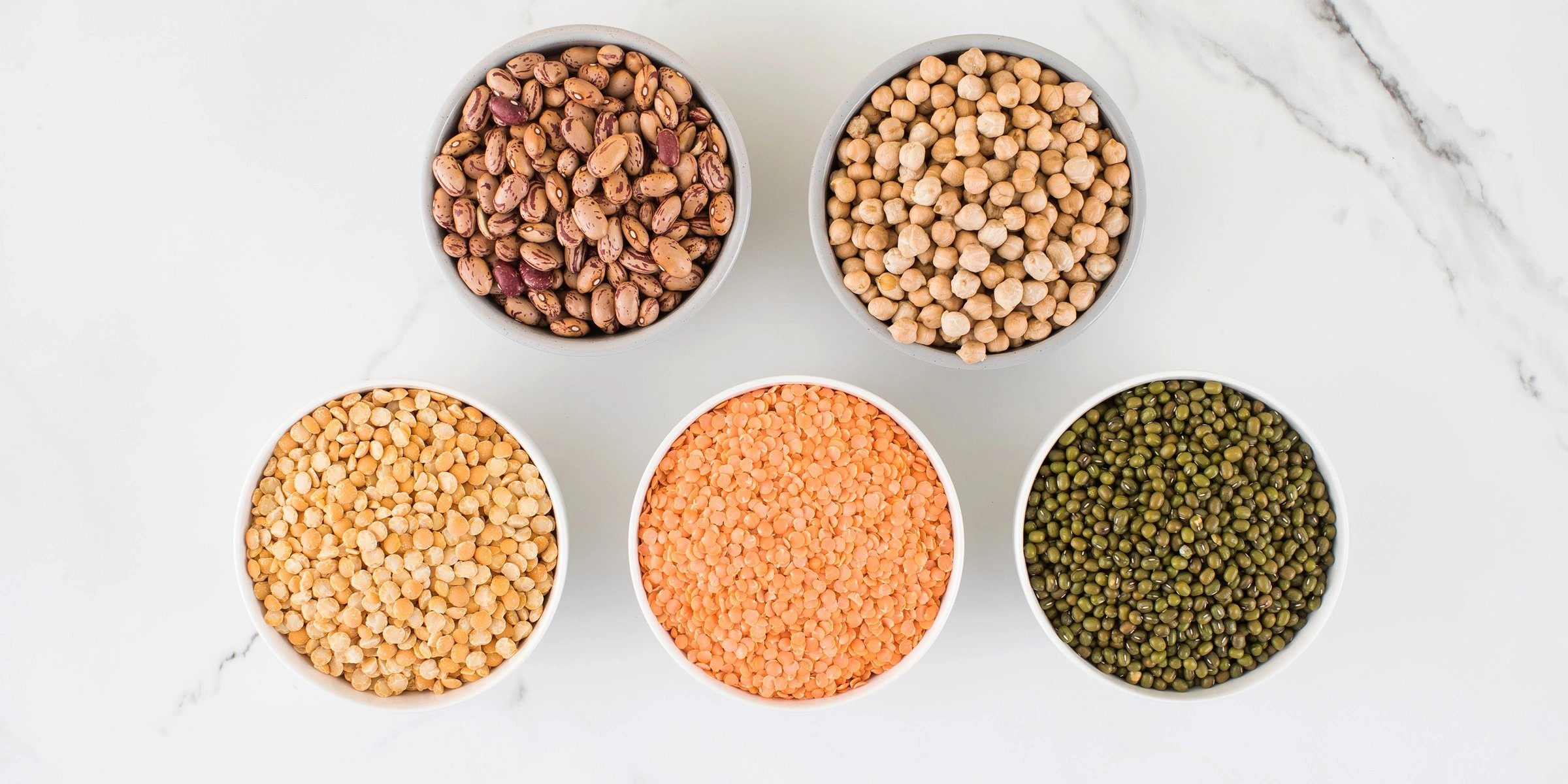
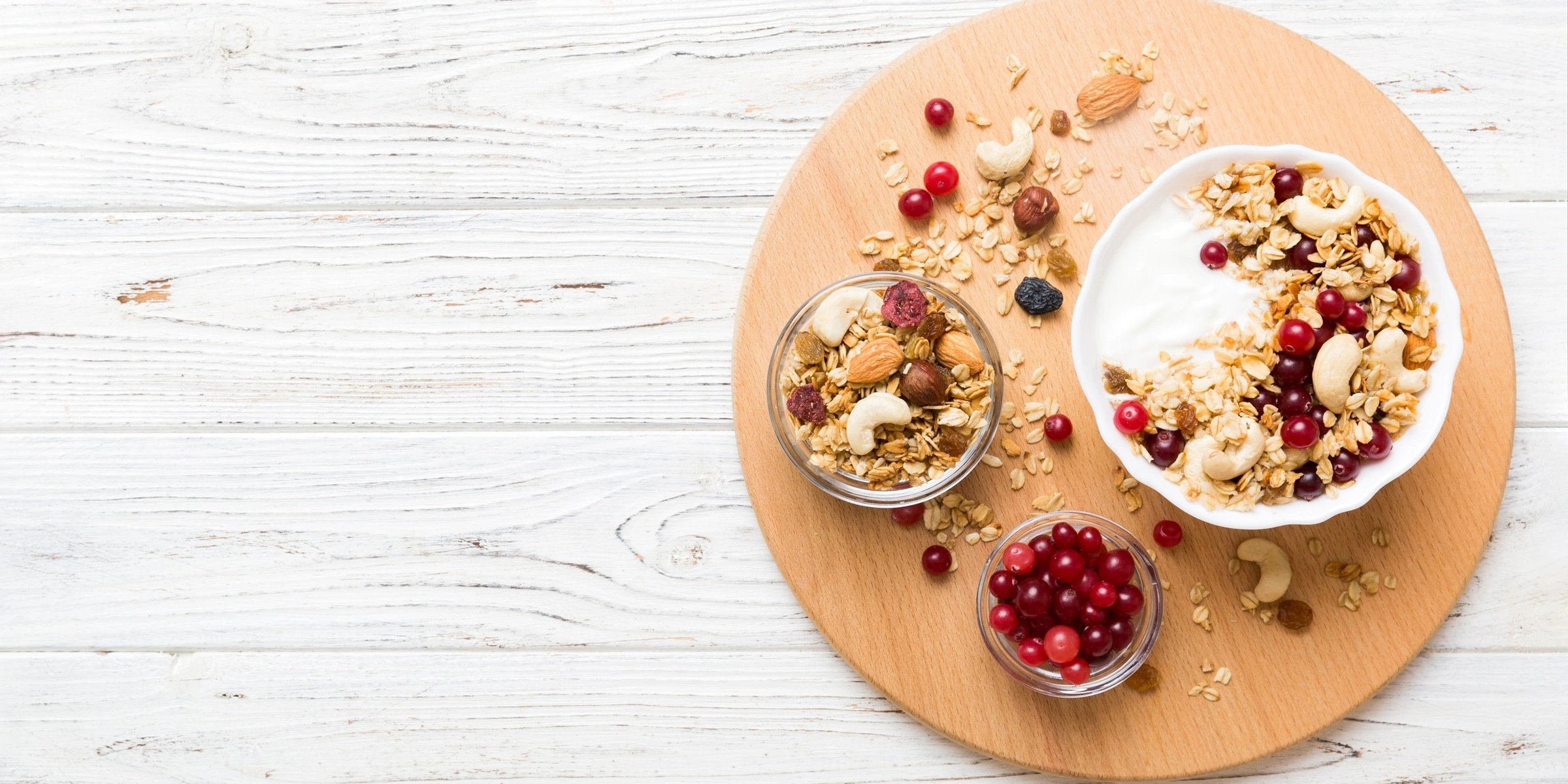
- Vegetables, fruit, wholegrains and legumes, such as lentils and chickpeas, every day
- Extra virgin olive oil and nuts as the main fats
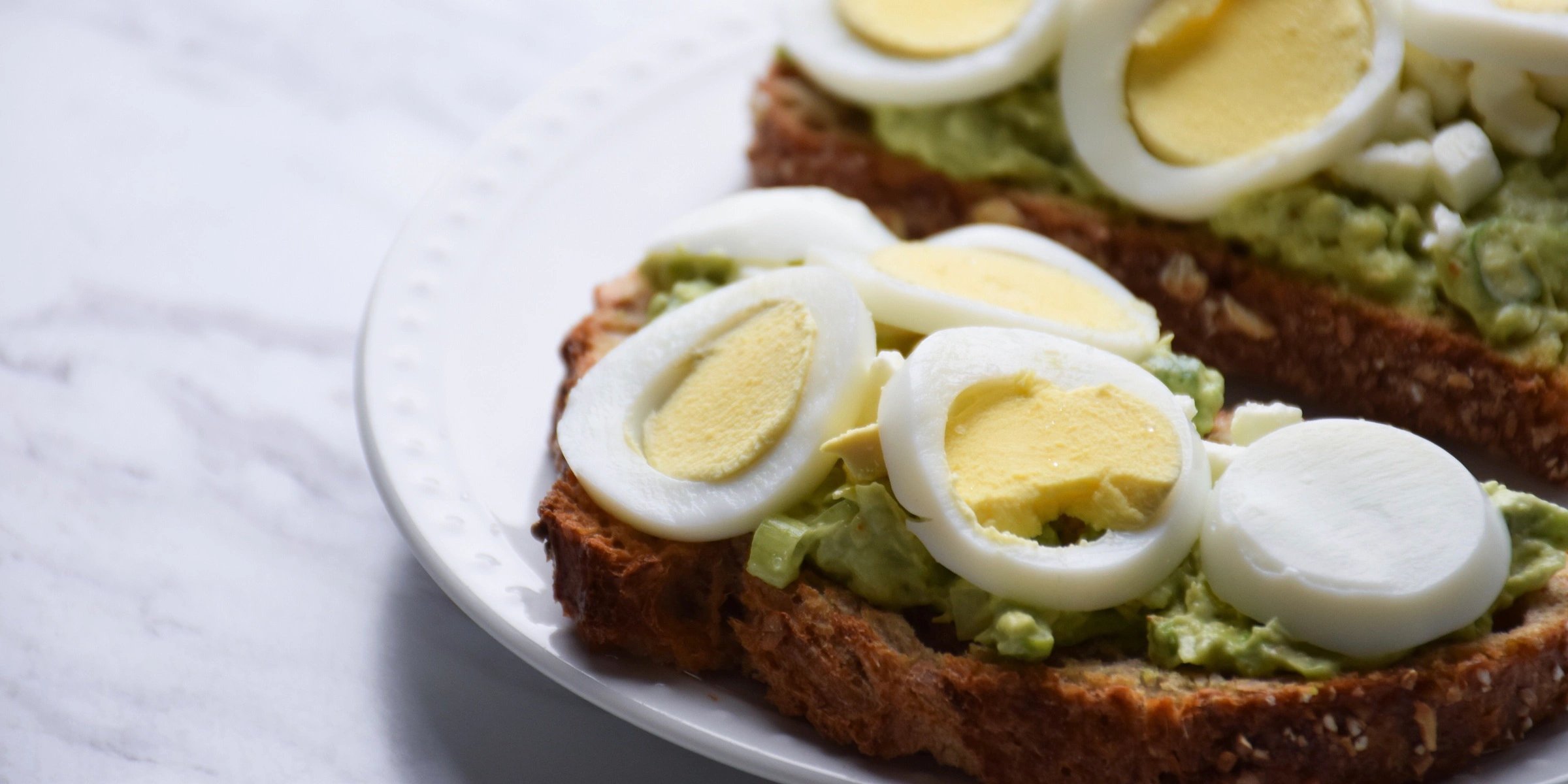
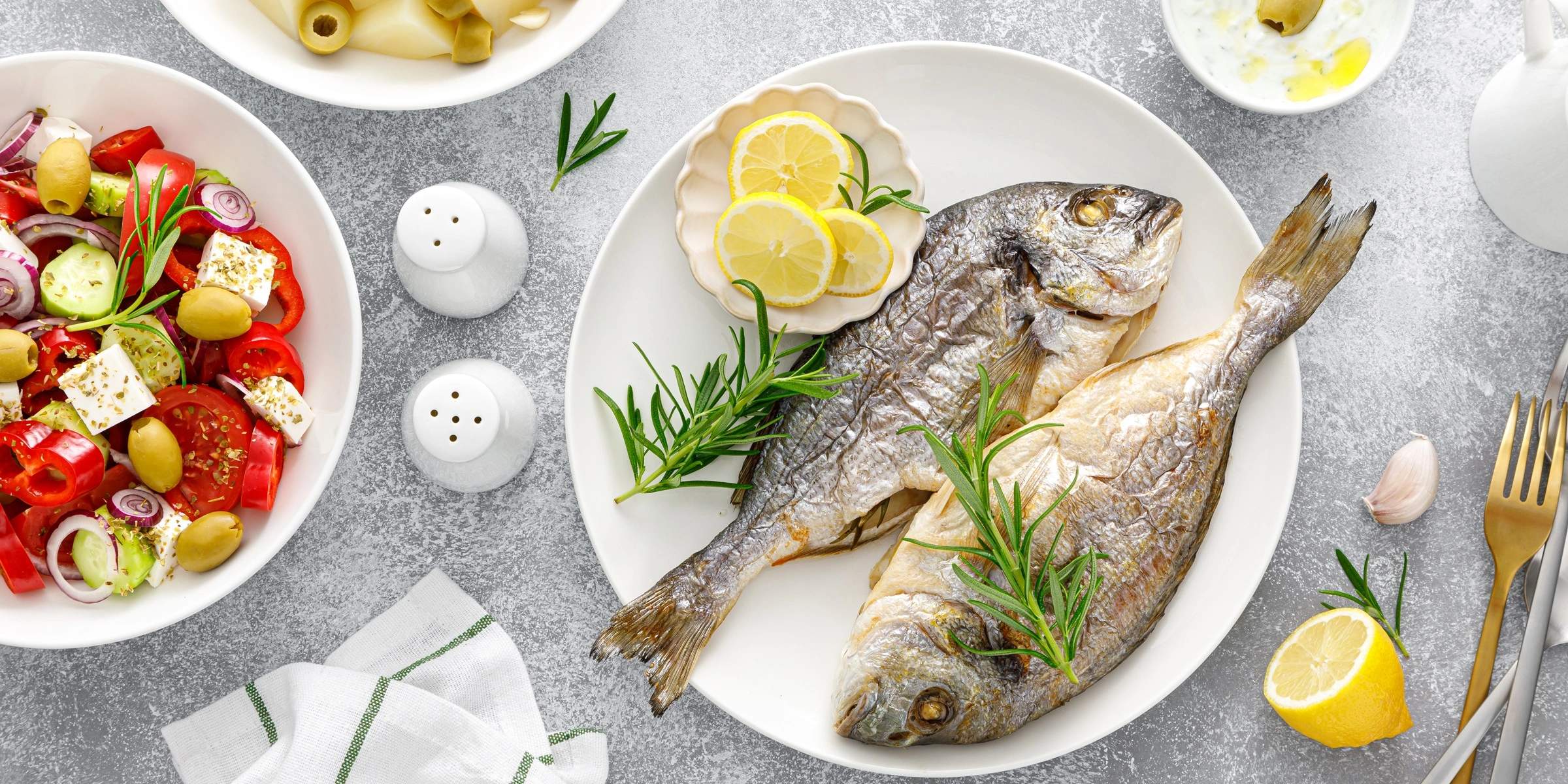
- Fish and seafood often, with moderate amounts of eggs, poultry and dairy
- Little red meat, and processed meats such as salami or bacon only rarely
- Few highly processed foods, refined grains, sugary drinks and foods with added sugars
Dietitians Australia notes that the mix of foods is likely to matter most, not any one food. The pattern fits well with our nutrition and lifestyle support, which is based on the Australian Dietary Guidelines.
What does research say about the Mediterranean diet and weight loss?
Weight changes are influenced by overall energy balance, alongside factors such as physical activity, appetite, sleep, medications and individual health conditions.
Dietitians Australia reports convincing evidence linking this pattern with a lower risk of heart disease, heart attack and diabetes. For body weight, it says the research is still growing but points to a benefit.
Part of the reason may be what the pattern leaves out. Sugary drinks and highly processed foods take up less room on the plate. Vegetables, legumes and wholegrains take up more.
The Heart Foundation's heart-healthy eating pattern has a very similar shape. It suggests plenty of vegetables, fruit and wholegrains, with legumes, nuts, seeds and fish as the main proteins. If you have heart disease, diabetes or another health condition that affects your dietary needs, check with your doctor first before you change how you eat.
Does olive oil help with weight loss?
Olive oil does not cause weight loss by itself. Extra virgin olive oil is a healthy fat to use instead of butter, but it is still energy-dense.
All fats provide about 37 kJ (about 9 Cal) per gram, according to Dietitians Australia's facts about fats. That includes extra virgin olive oil. So olive oil is a good choice of fat, but the amount you use still counts.
- Use it as your main oil for cooking and for dressings.
- Measure it with a spoon, so you know how much goes in.
- It suits everyday cooking, including medium-heat frying, the Heart Foundation says.
- There is no need to add extra oil to meals, or to have it on its own.
What does a Mediterranean-style week look like?
It looks like ordinary meals built around plants, with fish often and red meat now and then. Dietitians Australia suggests fish and seafood at least twice a week, and red meat no more than twice a week.
An example day might look like this. These are ideas to adapt, not set recipes. Adjust the serves to your hunger and needs.