
What is the difference between body fat and body weight?
Body weight is everything you weigh, including muscle, bone, water and fat. Body fat is only one part of that total.
Most fat sits under the skin, and this is called subcutaneous fat. Some is stored deeper, around organs such as the heart, liver and intestines. This internal fat is also called visceral fat, according to Healthdirect's guide to internal body fat.
Scale weight can shift from day to day for reasons that have nothing to do with fat. That is why a waist measurement is a useful second check. A doctor looks at both, along with your history, during a health assessment.
Can you measure your body fat?
Yes, but most simple tools only estimate it. The Better Health Channel calls body mass index (BMI) an approximate measure of your total body fat.
BMI has limits. It cannot tell fat from muscle, so a muscular person can have a high BMI. It overestimates body fat in pregnancy and underestimates it in older people. People of Asian or Indian background tend to have more body fat at the same BMI than people of European background.
A DXA scan can measure stored fat accurately, and BMI is a much cheaper option. Better Health says your waist size predicts health risk better than BMI. Using both gives a fuller picture.
Can you lose belly fat on purpose?
Not from one spot. Your body decides where fat comes off, and targeted exercises do not change that.
The idea that exercising one area removes the fat over it is called spot reduction. A University of Sydney researcher explains why spot reduction is a myth. He points to a 2021 review of studies. It found that training one muscle area had no effect on the fat in that area.
The same article says the way to change one area is to lose fat overall. Your body draws on fat stores from all over, including your middle. So the habits that reduce body fat in general also reduce belly fat.
Belly fat still matters for health. Healthdirect says excess internal fat can lead to high blood pressure, heart disease, diabetes and some cancers.
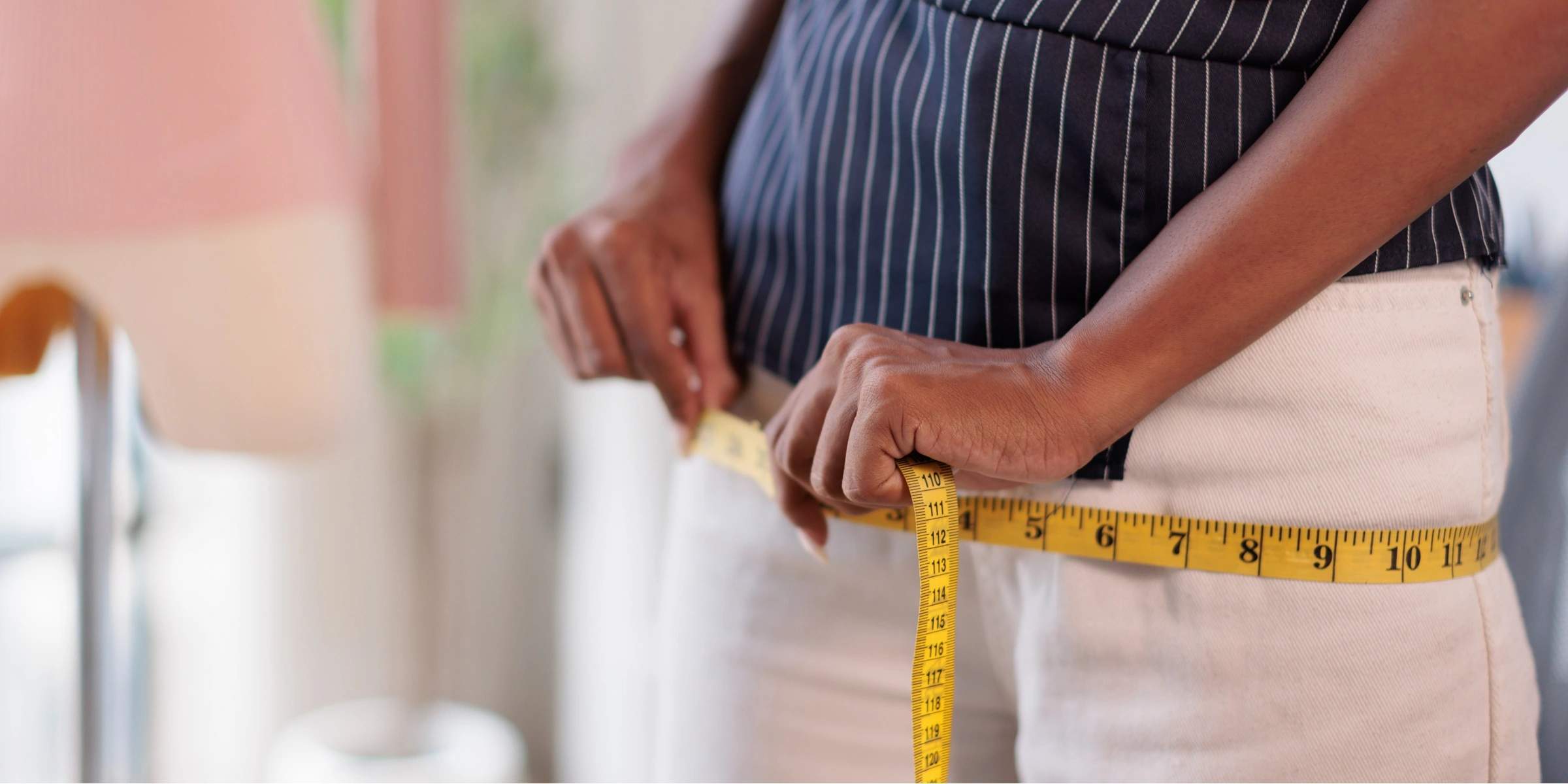
How to measure your waist
The Heart Foundation describes a waist measurement as a simple check for extra fat around your middle. You only need a tape measure. Its waist measurement guide suggests these steps:
Find the top of your hip bone and the bottom of your ribs.
Breathe out normally.
Place the tape measure midway between these points and wrap it around your waist, against your skin. This is usually in line with your belly button.
Keep the tape snug but not tight, then check your measurement.
The Heart Foundation links a larger waist to a higher risk of heart disease and stroke. For men, that means a waist over 94 cm. For women, it means a waist over 80 cm.
These cut-offs don’t suit everyone. Risk can start at a smaller waist size for some ethnic backgrounds, and they don’t apply during pregnancy or to people under 18. Your doctor can tell you what a measurement means for you.
How to lose body fat: what helps most?
The changes that help you lose weight also help you lose fat. Healthdirect says the best way to reduce excess internal fat is to lose weight, and that regular exercise is especially effective.
Eat a little less energy than you use, mostly from whole foods. Learn how an energy deficit works in kilojoules with nutrition and lifestyle support.
Be physically active for at least 30 minutes on most days, as Healthdirect suggests.
Add strength work on top, to help you keep muscle while you lose fat. Start with simple resistance exercises you can do at home.
Cut back on sugary drinks and alcohol.
Get enough sleep, and if you smoke, ask your doctor for help to quit.
None of these work on one area alone. Over time, they can help lower fat across your whole body, including around your middle. Talk with your doctor before you start if you are pregnant, have diabetes, take medicines that lower blood sugar, or have a history of an eating disorder.
How do you track fat loss without obsessing over the scale?
Use a few signs together, not one number. Checking your waist every few weeks often tells you more than weighing yourself every day.
Waist: the Better Health Channel's guide to a healthy approach to weight loss suggests tracking your waist over scale weight.
Clothes: notice whether your clothes fit differently.
Energy: the same guide notes you may have more energy, find things take less effort or sleep better.
For tracking your progress, try a simple weekly tracker. Other topics, from walking to breakfast, are in our weight loss guides.
A note on food and weight: If thinking about food, weight or numbers starts to feel stressful or hard to control, tell your doctor. You can also call the Butterfly Foundation National Helpline on 1800 33 4673 (8am to midnight AEST/AEDT, 7 days, except national public holidays). If you need to talk to someone now, call Lifeline on 13 11 14.