How is weight loss for men different?
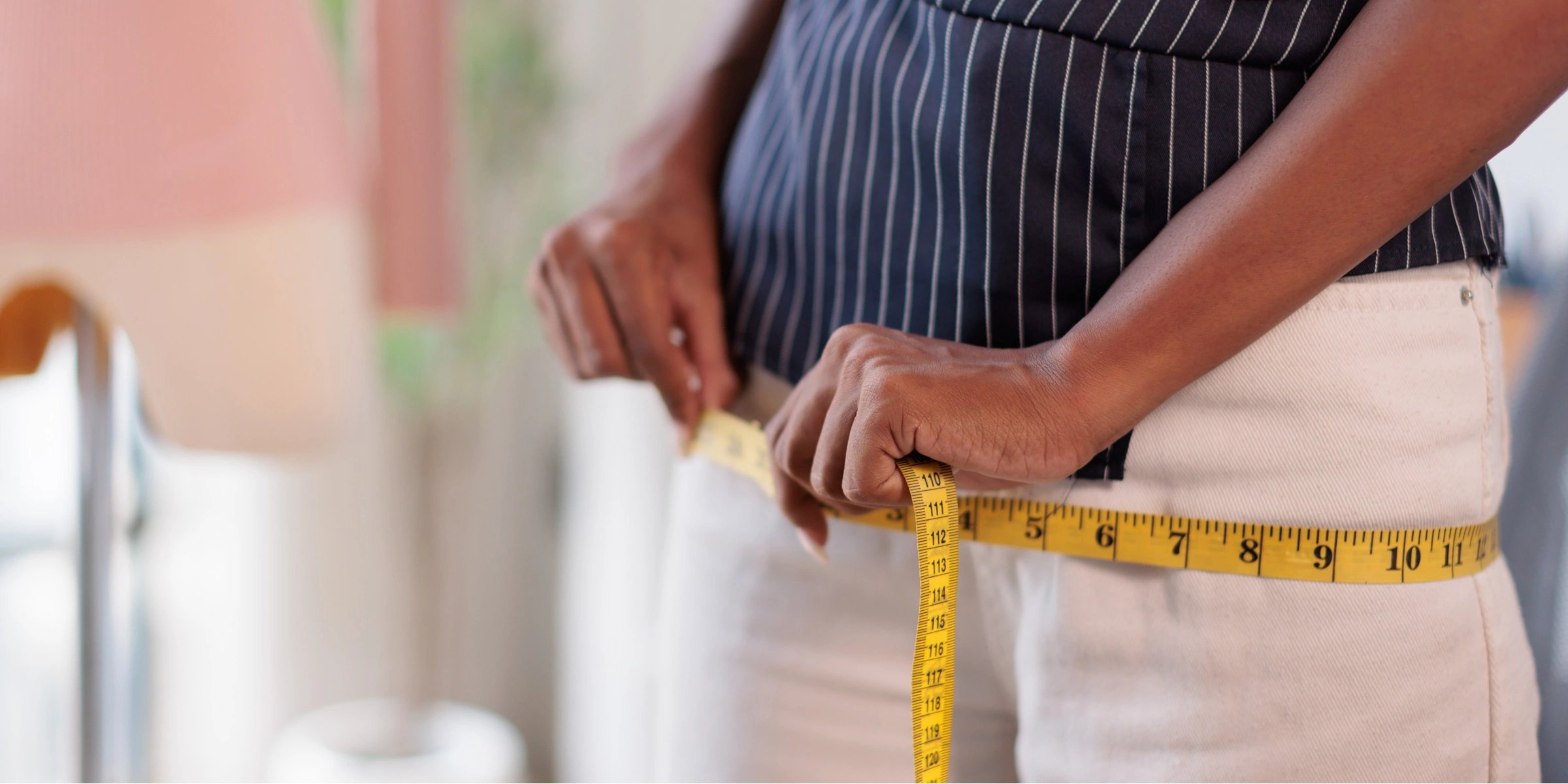
The basics are the same for everyone. For men, the main number to watch is waist size, not only weight.
Healthy Male says overweight and obesity is the biggest contributor to poor health in Australian men. It is linked to heart disease, high blood pressure, stroke and type 2 diabetes.
Where the fat sits matters most. Fat under the skin does useful jobs, such as insulation. Fat that builds up in the abdomen and around the organs can cause serious health problems.
For Caucasian men, Healthy Male links a waist of 94 cm or more with higher than normal risk. A waist of 102 cm or more carries even greater risk. Raise your waist size in a health assessment, alongside your weight and blood pressure.
What helps men lose weight and keep it off?
Focus on regular meals built on whole foods, daily movement, less alcohol and better sleep. Habits you can keep for years matter more than a fast start. Change one or two things at a time, then add more once they feel routine.
Build meals on fresh whole foods. Cut back on processed meats, ultra-processed foods, and foods with added sugar, unhealthy fats and salt.
Plan a balanced plate. Healthy Male suggests plenty of vegetables and salad, healthy fats and oils, and lean protein such as meat, chicken or fish.
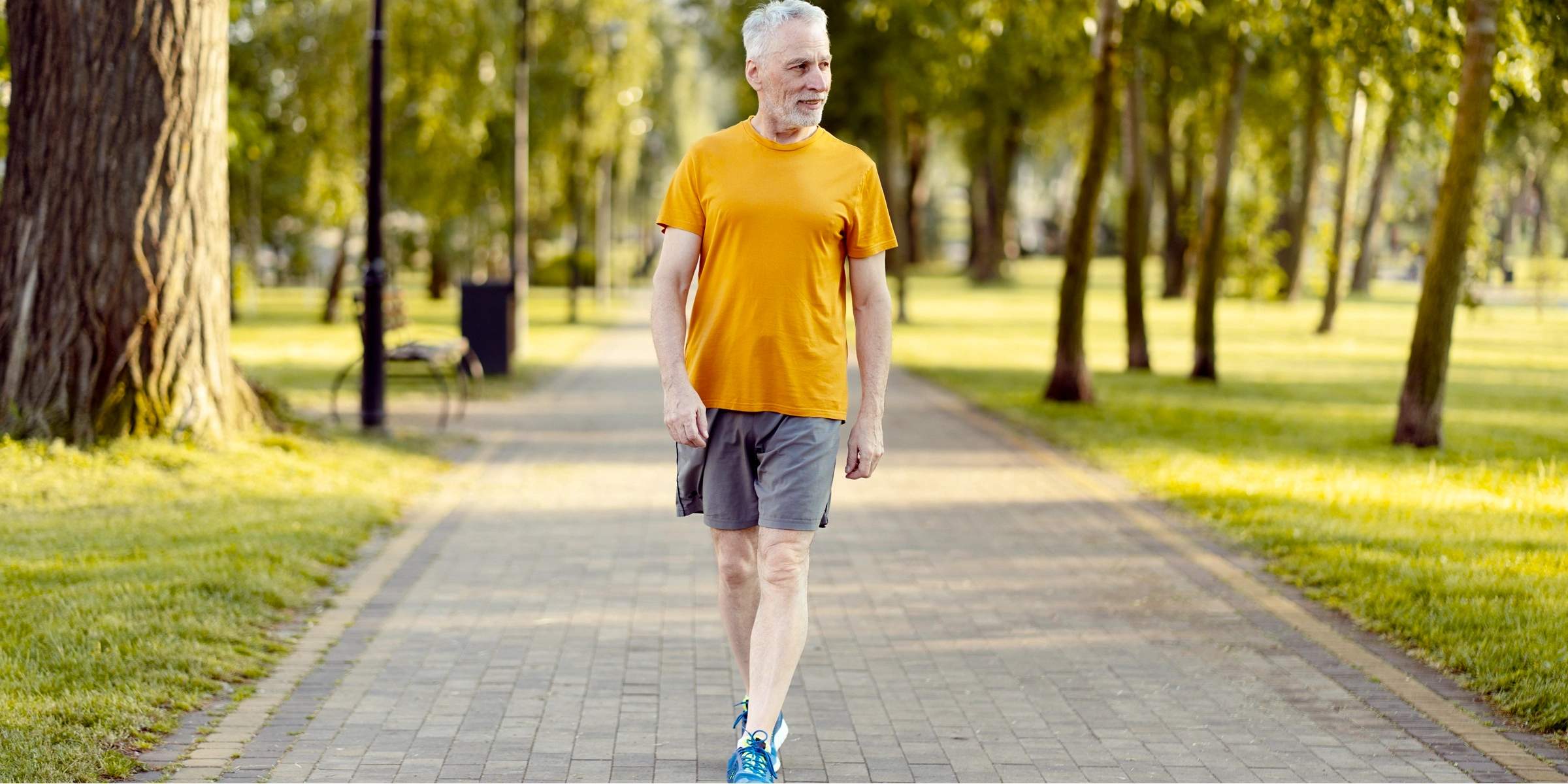
Move every day. Healthy Male suggests at least 30 to 40 minutes of aerobic activity a day, such as walking, cycling or swimming. It also suggests resistance work on 3 days a week. If you have a heart condition or diabetes, check with your doctor first. Exercise guidance can help you build up safely from where you are.
Drink less alcohol. Healthy Male notes that alcohol can increase appetite and change eating habits in ways that lead to weight gain. Its advice is to cut down, ideally to zero. If you drink heavily, talk to your doctor before you stop, as stopping suddenly can be unsafe.
Look after sleep and stress. Sleep, stress and relationships all play a part in managing weight, not just food and exercise.
Keeping weight off depends on routines that still work on a busy week, a weekend away or a long shift. Read about building sustainable habits that last past the first few months.
A note on food and weight: If thinking about food, weight or numbers starts to feel stressful or hard to control, tell your doctor. You can also call the Butterfly Foundation National Helpline on 1800 33 4673 (8am to midnight AEST/AEDT, 7 days, except national public holidays). If you need to talk to someone now, call Lifeline on 13 11 14.
Which health checks matter for men?
Blood pressure, cholesterol and blood glucose are the key checks. Together with your waist size, they show whether your weight is affecting your health.
- Heart health check: Healthy Male suggests one from age 45, or from age 30 for Aboriginal and Torres Strait Islander men. It includes your blood pressure, a cholesterol blood test and your body mass index (BMI).
- Blood glucose: the risk of type 2 diabetes rises for men after 50. Depending on your risk, you may need a test every year or every 3 years.
- Weight and waist: if you have not been weighed or measured in a while, ask for both at the same visit.
Healthy Male suggests asking your doctor whether you need any tests to see if your weight is affecting your health. A doctor can then work out whether there are health effects, and suggest changes to your eating or activity that suit you. Read more about blood tests and health checks.
These checks give you a clear starting point to measure change against. Our other weight loss guides cover walking, home exercise, alcohol and everyday food choices in more detail.
Does weight affect men's testosterone levels?
It can. Healthy Male says being overweight or obese is linked with low testosterone levels. Low testosterone may then lead to further weight gain, less muscle and tiredness.
The link can work both ways. In its Ask the Doc answer, Healthy Male says losing weight can increase testosterone in men who are overweight. Eating well and doing enough physical activity both help.
If you often feel tired or have a low sex drive, talk to your GP. They can work out what is going on and whether you need any tests.